


Fun Fact! The berries of juniper shrubs are actually seed cones, which are used in the production of gin.
Fun Fact! The berries of juniper shrubs are actually seed cones, which are used in the production of gin.
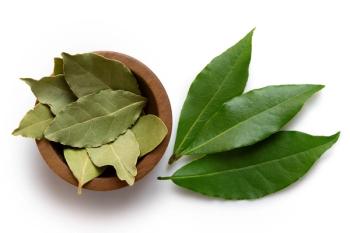
Fun Fact! Bay laurel leaves (Laurus nobilis) flavor food, offer traditional medicinal benefits, and historically crowned victorious ancient Greek athletes.

Fun Fact! The world’s longest chocolate sculpture is a 181.3-foot-long train, composed of 1 locomotive and 22 carriages, all made out of Belgian chocolate.
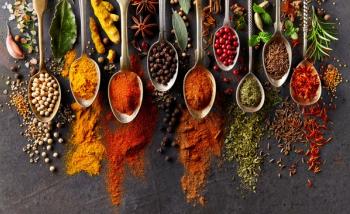
Fun Fact! Herbs come from the leaves of herbaceous plants, while spices come from roots, flowers, fruits, seeds, or bark.

Fun Fact! The most recent major food allergen to be recognized by the US is sesame.
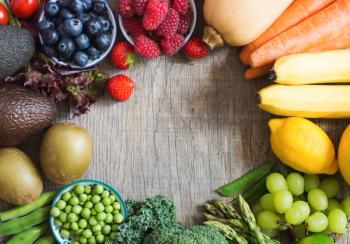
Fun Fact! When classified botanically, pumpkins, avocados, and cucumbers are examples of fruits that are commonly mistaken for vegetables.
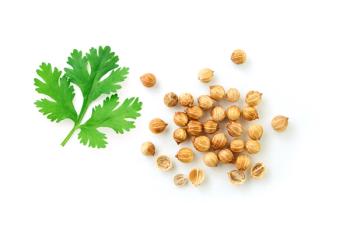
Fun Fact! Coriander is an example of a plant that can produce both a spice and an herb.
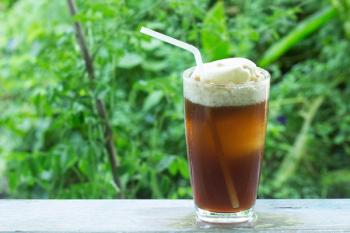
Fun Fact! Root beer was traditionally made with sassafras root, wintergreen, or sarsaparilla, as well as juniper and birch flavorings. Click to learn more!
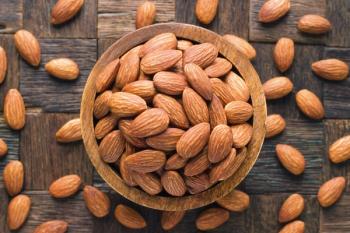
Fun Fact! One ounce of almonds contains 6 g of protein, 3.5 g of fiber, and 48% of the daily value of vitamin E. Click to learn more!

Fun Fact! The recipe for German chocolate cake first appeared in the 1950s in a Texas newspaper. Click to learn more!
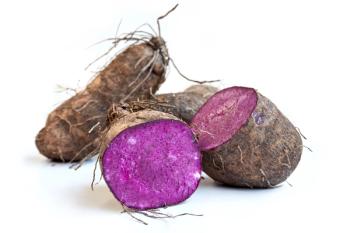
Fun Fact! One cup of the root vegetable ube contains significant amounts of vitamin C, potassium, and anthocyanins. Click to learn more!
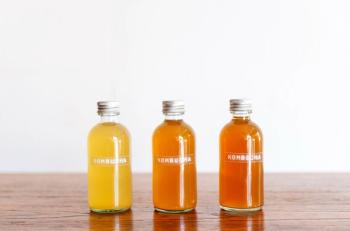
Fun Fact! The fermentation process involved in the creation of kombucha can result in a beverage with an alcohol content. Click to learn more!
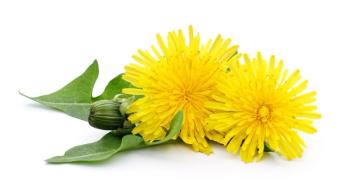
Fun Fact! Dandelion contains vitamins A, C, E, K, and B vitamins, and it also contains the antioxidant beta-carotene. Click to learn more!
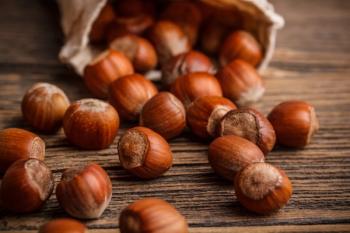
Fun Fact! A 28 g serving of hazelnuts contains 2.7 grams of fiber and 4.2 grams of protein. Click to learn more.
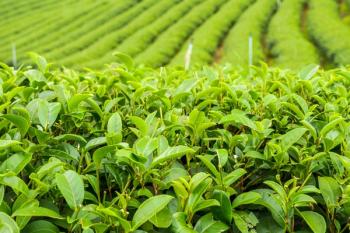
Fun Fact! While green, black, and oolong teas all come from the same plant, Camellia sinensis, they differ in level of fermentation. Click to learn more.
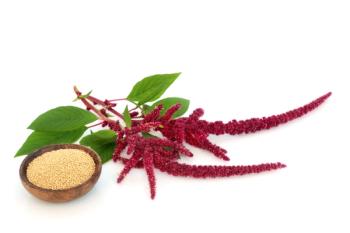
Fun Fact! The leaves and seeds of certain species of the amaranth plant are good sources of fiber, calcium, and iron. Click to learn more.
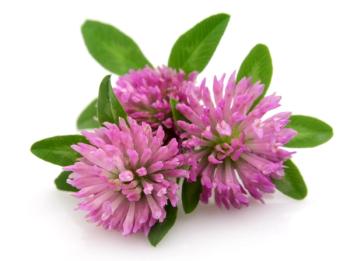
Fun Fact! Red clover contains isoflavones, which are structurally similar to estrogen. Click to learn more.
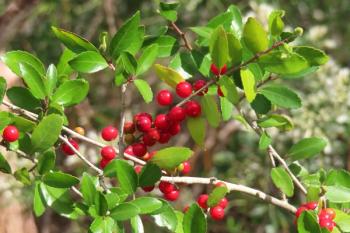
Fun fact! The evergreen shrub yaupon is the only plant native to North America that contains caffeine. Click to learn more.
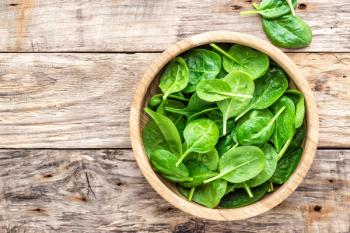
Fun fact! One cup of raw spinach contains 0.7 g of protein. Click to learn more.
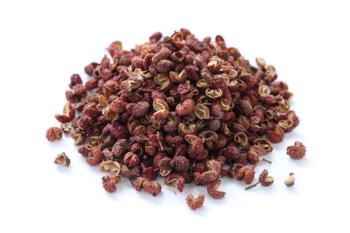
Fun Fact! Sichuan peppers aren’t related to black pepper or chili peppers. Click to learn more.
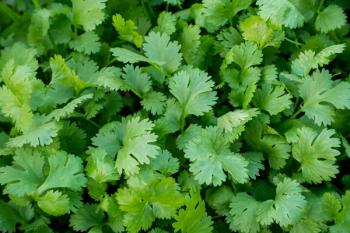
Fun fact! Because of a genetic variation, some people perceive cilantro as tasting soapy. Click to learn more.
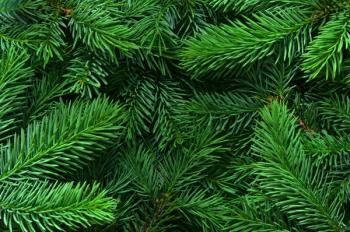
Pine needle tea has been proven to cure scurvy due to its vitamin C content. Click to learn more!
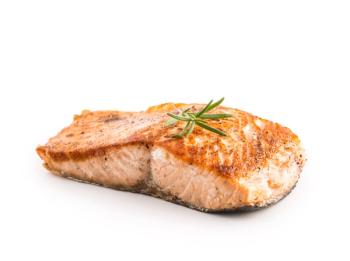
Fun fact! Three ounces of cooked wild coho salmon contains 23 grams of protein. Click to learn more.
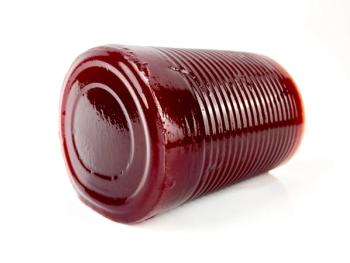
Fun fact! Americans consume five million gallons of cranberry sauce during the Thanksgiving holiday each year.

Fun fact! A single yam can deliver 369% of the daily value of vitamin A.
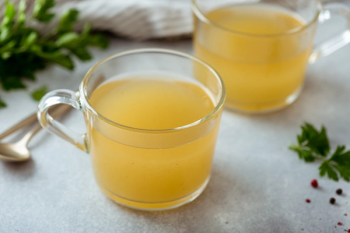
Fun fact! Bone broth is also high in collagen to potentially support your skin, bones, and joints, while the amino acids in bone broth may help reduce inflammation. Click to learn more.

Fun fact! Cabbage is a great source of vitamins C and K. Click to read more!

Fun fact! You can use rice water to water plants. Click to learn more!

Fun fact! Butternut squash contains an unknown irritant that for some people may cause dryness and itchiness on their palms when processing the vegetable.
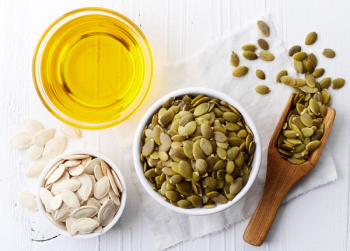
Fun fact! Pumpkin seed oil is a good source of essential fatty acids such as the polyunsaturated fatty acids omega-3, 6, and 9, carotenes, lutein, vitamins such as carotenoids, and trace elements such as zinc and selenium.